Vietnam's Carbon Market: Quotas, Carbon Credits and Where SMEs Stand (2026)
How Vietnam's carbon market works: emission quotas vs carbon credits under the 2020 LEP, Decree 06/2022 and Decree 119/2025 — and where SMEs stand in 2026.
July 17, 2026 · 12 min read
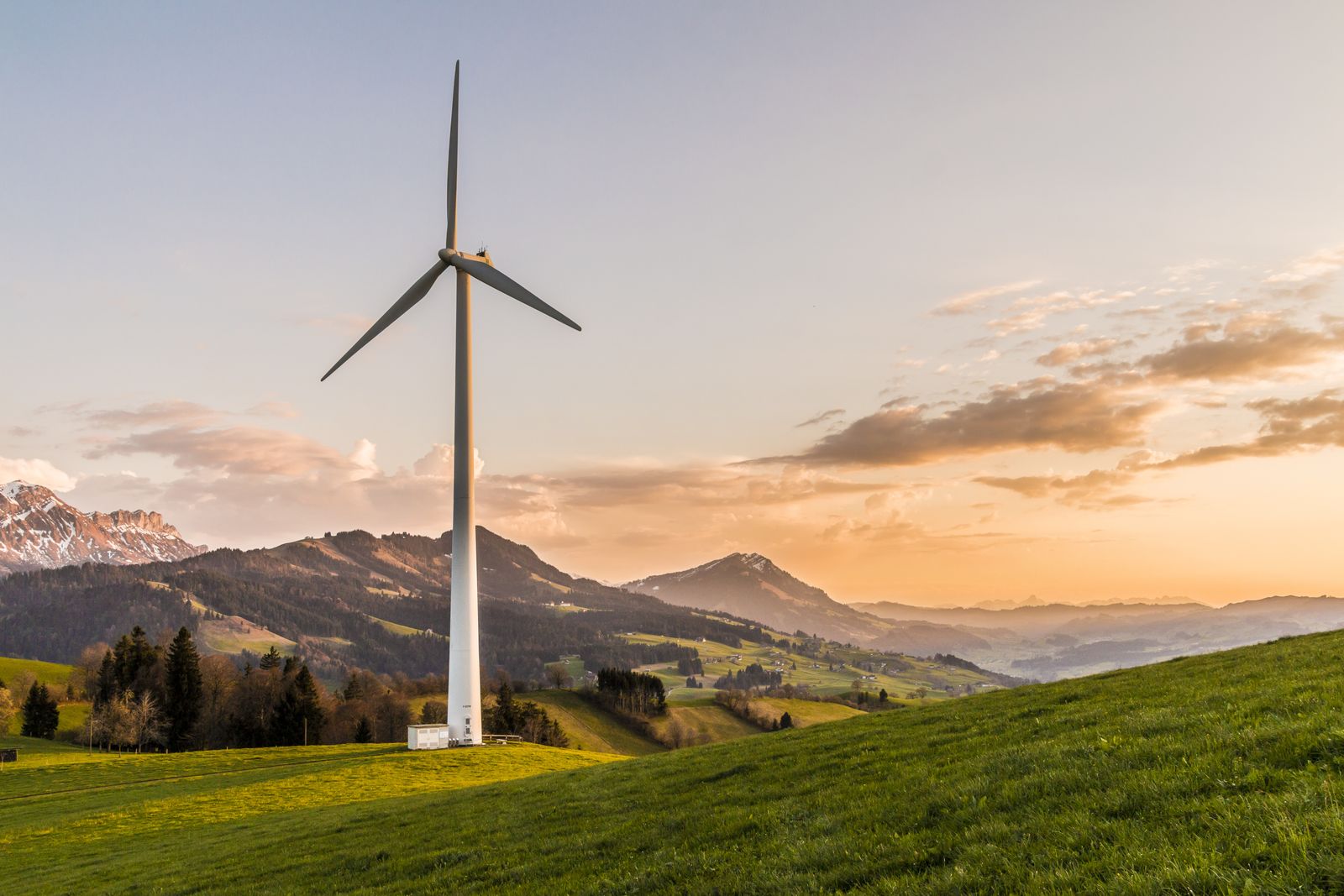
Photo: Pixabay / Pexels (free license)
Quick summary
Vietnam's domestic carbon market trades two commodities: greenhouse gas emission quotas (allocated to large emitters) and carbon credits (1 credit = the right to emit 1 tonne of CO2 or CO2 equivalent, per Article 3.35 of the 2020 Environmental Protection Law). The legal base spans the 2020 LEP (Article 139), Decree 06/2022/NĐ-CP, the carbon market scheme approved by Decision 232/QĐ-TTg (24 Jan 2025) and Decree 119/2025/NĐ-CP (effective 1 Aug 2025). Under the roadmap, the carbon exchange runs as a pilot until the end of 2028 and officially from 2029, with the Hanoi Stock Exchange providing the trading platform. In the first phase only 100+ large emitters in thermal power, iron & steel and cement receive quota allocations — most SMEs are not yet obliged, but can participate voluntarily (buying credits, or developing credit-generating projects) and face indirect supply-chain pressure. This article quotes no credit prices and promises no revenue — those numbers depend on real markets and real projects.
What the carbon market is — and what it trades
Vietnam's domestic carbon market, under Article 139 of the 2020 Environmental Protection Law (No. 72/2020/QH14), covers the trading of greenhouse gas emission quotas and carbon credits obtained from domestic and international offset mechanisms (LEP 72/2020/QH14, full text). The market scheme approved by Decision 232/QĐ-TTg dated 24 January 2025 states that market goods comprise two types: GHG emission quotas and carbon credits (Decision 232/QĐ-TTg).
| Criterion | GHG emission quota | Carbon credit |
|---|---|---|
| Nature | The amount of GHG a facility is permitted to emit, allocated by the State | A commercially tradable certificate representing the right to emit 1 tonne of CO2 or 1 tonne of CO2 equivalent (Article 3.35, 2020 LEP) |
| Who holds it | Large emitters on the allocation list (first phase: thermal power, iron & steel, cement) | Owners of emission-reduction/absorption projects issued credits (domestically under amended Decree 06/2022 Article 20, or international mechanisms — CDM, Article 6 of the Paris Agreement) |
| How it trades | Bought and sold by order matching on the carbon exchange or by negotiated agreement | Purchases to offset emissions beyond quota: order matching on the exchange; use for voluntary targets: automatic confirmation on the National Registry System |
| Relevance to SMEs | Most SMEs are not in the first allocation phase | The main entry door for SMEs: buy credits for voluntary targets, or develop credit-generating projects |
Sources: credit definition and market scope per the 2020 LEP (Articles 3, 139); two goods types per Decision 232/QĐ-TTg; trading forms per the Department of Climate Change — Decree 119/2025/NĐ-CP.
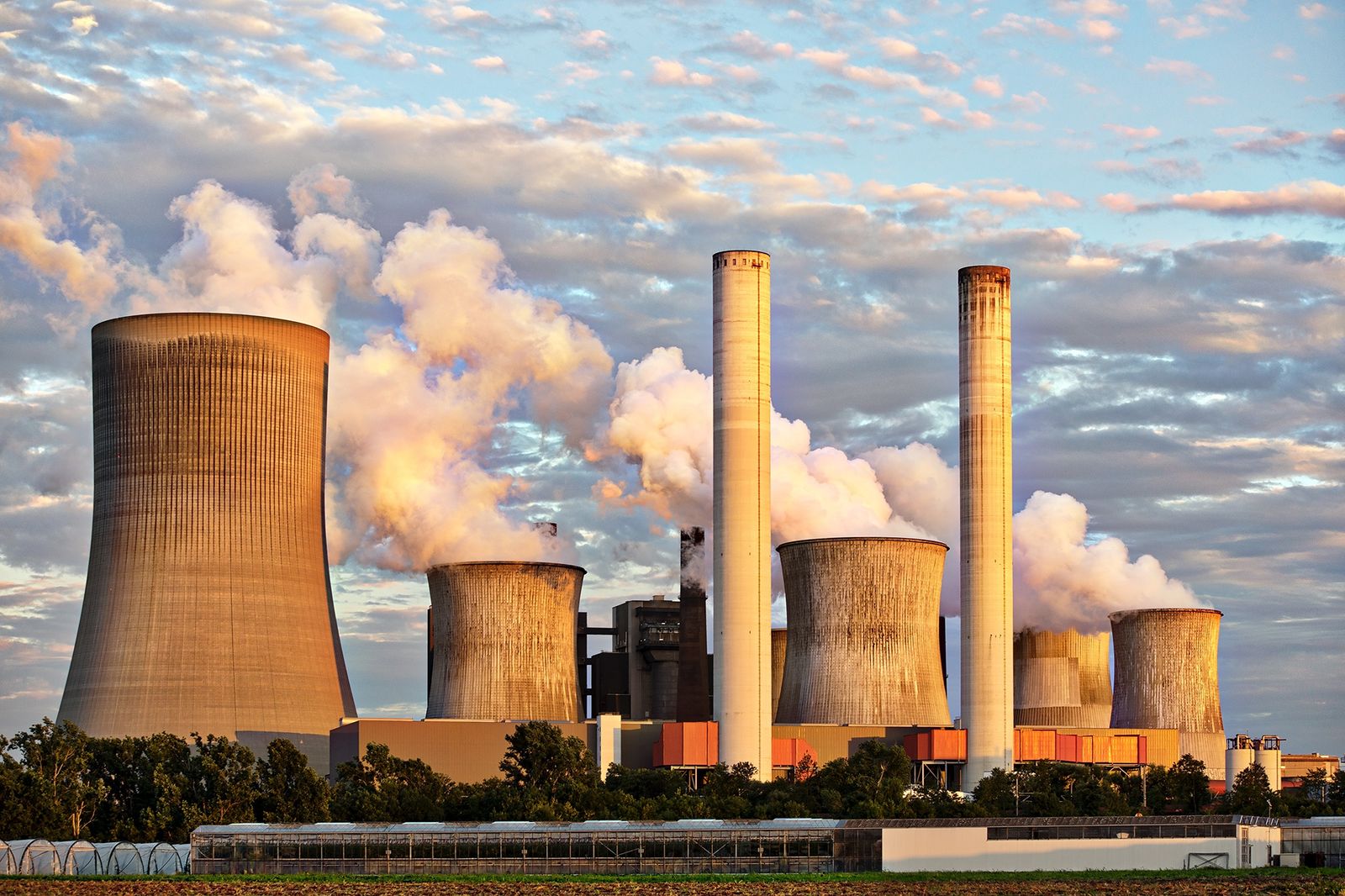
The legal roadmap: from the 2020 LEP to Decree 119/2025
| Instrument / milestone | Date | Core content |
|---|---|---|
| 2020 Environmental Protection Law (72/2020/QH14) | 17 Nov 2020 | Article 139: organising and developing the carbon market; Article 3.35: carbon credit = the right to emit 1 tonne CO2/CO2e |
| Decree 06/2022/NĐ-CP | 7 Jan 2022 | GHG emission mitigation and ozone layer protection — the base for inventory, quotas and credits |
| Decision 13/2024/QĐ-TTg | 13 Aug 2024 (effective 1 Oct 2024) | Updated list of 2,166 facilities required to conduct GHG inventory (up 259 vs the 2022 list), across 6 sectors |
| Decision 232/QĐ-TTg | 24 Jan 2025 | Approves the carbon market scheme: legal framework before Jun 2025; pilot exchange Jun 2025 – end of 2028; official operation from 2029; the Hanoi Stock Exchange builds and provides the trading platform |
| Decree 119/2025/NĐ-CP (amending Decree 06/2022) | 9 Jun 2025 (effective 1 Aug 2025) | Quota allocation roadmap in 3 phases: 2025-2026, 2027-2028, 2029-2030; first phase covers 100+ facilities in thermal power, iron & steel and cement (~40% of total emissions of inventory-obliged facilities); National Registry System; domestic and international credit exchange & offset mechanisms |
Sources: LEP 72/2020/QH14 full text; the 2,166-facility list per STAMEQ — Decision 13/2024/QĐ-TTg; the exchange roadmap per Decision 232/QĐ-TTg; Decree 119/2025 content per the Department of Climate Change (Ministry of Agriculture and Environment).
Status note: "pilot to end-2028, official from 2029" is the roadmap as written (Decision 232/QĐ-TTg, Decree 119/2025/NĐ-CP). This article makes no claim about actual operational progress at the time you read it — check regulator announcements before deciding.
How the carbon exchange operates
- The domestic carbon exchange — built and operated as a service by the Hanoi Stock Exchange under regulator-defined requirements. Quota trades execute by order matching on the exchange or by negotiated agreement; credit purchases to offset above-quota emissions execute by order matching on the exchange.
- The National Registry System for quotas and carbon credits — manages ownership records; handles borrowing, returning, transferring and offsetting of quotas. Entities using credits for voluntary reduction targets get automatic confirmation on the system, no application letter needed.
On international credits: partners invest in credit-generating projects in Vietnam via Article 6 of the Paris Agreement (with implementation guidance agreed at COP29 in 2024) or via purchase agreements for credits from forest development and protection, technology improvement, energy efficiency and renewable energy; international transfers require the transferring country's written approval. Source: Department of Climate Change; the HNX role per Decision 232/QĐ-TTg.

Where SMEs stand in the carbon market
| Situation | Obligation / opportunity | What to do now |
|---|---|---|
| On the 2,166-facility GHG inventory list (Decision 13/2024/QĐ-TTg) | Mandatory GHG inventory; the prerequisite if quota allocation later applies | Check your facility against the list; run Scope 1-2 inventory on schedule |
| In thermal power, iron & steel or cement with large emissions | Phase 2025-2026: 100+ facilities in these sectors receive quota allocations and may trade per the roadmap | Prepare standardised emission data to receive and manage quotas |
| SME outside the list (most Vietnamese SMEs) | Not yet obliged; may participate voluntarily: buy credits for voluntary targets (auto-confirmed on the National Registry System) | Run a voluntary inventory as a data base; only claim "carbon neutral" with stated scope and method |
| SME with credit-project potential (forestry, renewables, energy efficiency, technology upgrades) | Domestic offset mechanism: methodology recognition → project approval → credit issuance (Decree 06/2022 Article 20, amended by Decree 119/2025) | Assess feasibility with recognised verifiers before committing capital |
Note: this classification is compiled from the instruments cited above and is not legal advice for a specific case. The inventory list is reviewed and updated periodically — always check the latest version.
Carbon credits are not a money printer — 4 rules against illusion and illegality
- No guaranteed revenue figures exist. Credit prices depend on project type, issuing mechanism and the market at the time of sale. This article deliberately quotes no price or expected profit — such numbers must come from real projects and real contracts.
- Credits must be issued under a proper mechanism. Domestically: methodology recognition, project approval, credit issuance; internationally: CDM or Paris Agreement Article 6 — with transfer approval requirements. "Credits" outside these mechanisms have no standing on the compliance market.
- Buying credits does not automatically make a company "green". A "carbon neutral" claim without scope boundaries and method is a greenwashing risk under the 2023 Consumer Rights Protection Law — see our piece on green labels & anti-greenwashing.
- Inventory first, trade later. If you cannot measure emissions, you have nothing to reduce, offset or sell. Start with a Scope 1-2-3 GHG inventory.
SME action checklist (2026)
- Check your business against the GHG inventory facility list (as updated by Decision 13/2024/QĐ-TTg and later reviews).
- If you are in thermal power / iron & steel / cement: track the 3-phase quota allocation roadmap of Decree 119/2025/NĐ-CP.
- If outside the list: consider a voluntary inventory as your data base; use credits for voluntary targets via the National Registry System.
- If you hold forest land, renewables or efficiency projects: assess credit-generation feasibility under the domestic mechanism or Paris Article 6 — with independent verification, never on a "guaranteed profit" sales pitch.
- Tie the carbon market into your long-term plan: see the Net Zero roadmap for SMEs and CBAM duties if you export to the EU.
Through its Green Transition Advisory pillar, GROW helps SMEs check the inventory list, prepare emission data and make a first-pass assessment of carbon market participation. Book a free consultation.
Frequently asked questions
What is a carbon credit under Vietnamese law?
Under Article 3.35 of the 2020 Environmental Protection Law (72/2020/QH14), a carbon credit is a commercially tradable certificate representing the right to emit one tonne of CO2 or one tonne of CO2 equivalent.
When does Vietnam's carbon exchange officially open?
Under the scheme approved by Decision 232/QĐ-TTg (24 Jan 2025) and Decree 119/2025/NĐ-CP, the domestic exchange runs as a pilot until the end of 2028 and operates officially from 2029, with the Hanoi Stock Exchange providing the platform. That is the written roadmap — actual progress should be checked against regulator announcements.
Are SMEs required to join the carbon market?
Most are not yet. The first phase (2025-2026) allocates quotas to 100+ large emitters in thermal power, iron & steel and cement — about 40% of total emissions of inventory-obliged facilities. The broader obligation is GHG inventory: the list updated by Decision 13/2024/QĐ-TTg covers 2,166 facilities across 6 sectors.
How can an SME earn carbon credits?
Through emission-reduction or absorption projects issued credits under a proper mechanism: domestically via methodology recognition → project approval → credit issuance (Decree 06/2022 Article 20, amended by Decree 119/2025); or international mechanisms such as CDM and Paris Agreement Article 6 (international transfers need written state approval). Cited fields include forest development and protection, technology improvement, energy efficiency and renewables. No price or revenue is certain in advance — each project needs independent verification.
Does buying carbon credits let a company claim 'carbon neutral'?
Not automatically. Using credits for voluntary targets is confirmed on the National Registry System, but a public 'carbon neutral' claim must state its scope boundary, method and evidence — vague claims risk greenwashing liability under the 2023 Consumer Rights Protection Law.
References
- Luật Bảo vệ môi trường 72/2020/QH14 (toàn văn — Điều 3, Điều 139)
- Quyết định 232/QĐ-TTg 24/01/2025 — Đề án thị trường các-bon (Cổng TTĐT Chính phủ)
- LuatVietnam — Quyết định 232/QĐ-TTg 2025 (nội dung Đề án)
- Cục Biến đổi khí hậu (Bộ NN&MT) — Nghị định 119/2025/NĐ-CP sửa đổi Nghị định 06/2022/NĐ-CP
- Ủy ban TCĐLCL Quốc gia — Quyết định 13/2024/QĐ-TTg: danh mục 2.166 cơ sở kiểm kê KNK
- Quyết định 13/2024/QĐ-TTg (Cổng TTĐT Chính phủ)