EPR in Vietnam: Which SMEs Must Recycle, and What They Must Do (2026)
Extended Producer Responsibility under Vietnam's 2020 LEP (Articles 54, 55) and Decrees 08/2022 & 05/2025: which SMEs are exempt and which route to pick.
July 18, 2026 · 12 min read
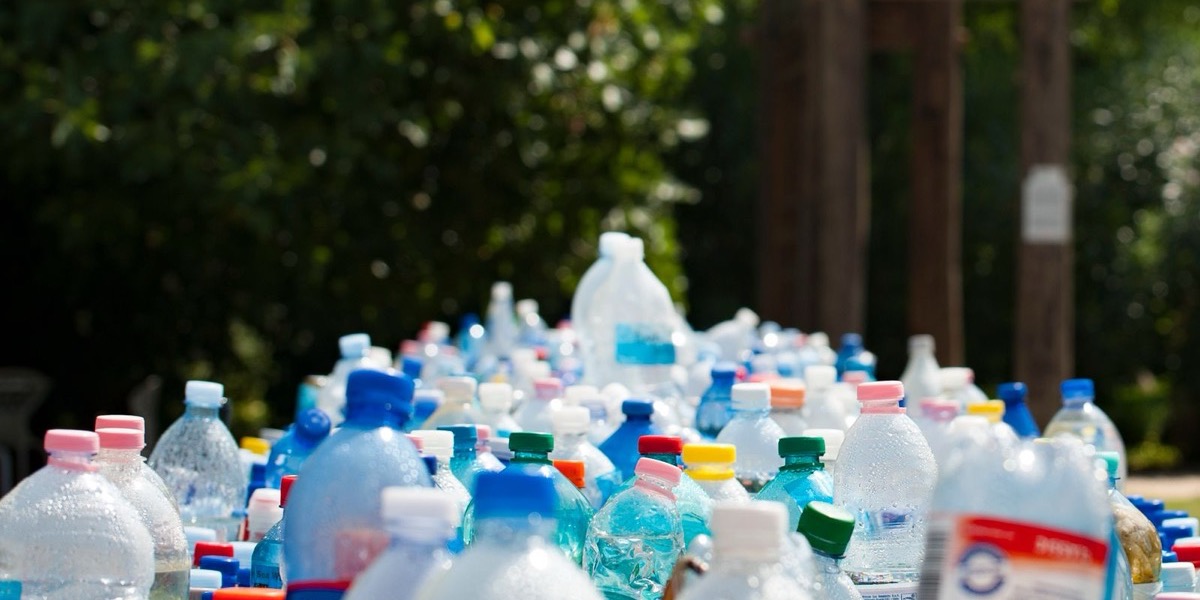
Photo: mali maeder / Pexels
Quick summary
EPR (Extended Producer Responsibility) makes producers and importers responsible for their products and packaging after disposal. In Vietnam it is anchored in Article 54 (recycling responsibility) and Article 55 (waste collection & treatment responsibility) of the 2020 Law on Environmental Protection, detailed by Decree 08/2022/ND-CP (issued 10 Jan 2022) and amended by Decree 05/2025/ND-CP (issued and effective 6 Jan 2025). Under Article 54, producers and importers of products and packaging with recycling value choose one of two routes: self-organise recycling, or make a financial contribution to the Vietnam Environment Protection Fund. Timeline: packaging plus batteries/accumulators, lubricants and tyres must be recycled from 1 Jan 2024; electrical and electronic products from 1 Jan 2025; vehicles from 1 Jan 2027. Many SMEs are exempt: producers with prior-year revenue under VND 30 billion, and importers with prior-year import value under VND 20 billion, are not required to fulfil the recycling responsibility. This article does not quote material-by-material recycling rates or money figures, as those sit in technical annexes revised on cycles — check the current text when you file.
Last updated: 18 July 2026
Key facts (sourced)
- Legal basis: Articles 54 and 55 of the 2020 Law on Environmental Protection; detailed in Decree 08/2022/ND-CP (10 Jan 2022), amended by Decree 05/2025/ND-CP (issued and effective 6 Jan 2025).
- SMEs exempt from recycling responsibility: producers with prior-year revenue under VND 30 billion; importers with prior-year import value under VND 20 billion.
- Recycling starts: packaging, batteries/accumulators, lubricants and tyres from 1 Jan 2024; electrical & electronic products from 1 Jan 2025; vehicles from 1 Jan 2027.
- Two routes (Article 54): self-organise recycling, or contribute financially to the Vietnam Environment Protection Fund — the contribution is paid once, before 20 April of the declaration year.
What is EPR — Extended Producer Responsibility?
EPR (Extended Producer Responsibility) is the principle that producers and importers must take responsibility for their products and packaging after consumers dispose of them. In Vietnam, EPR is written into Articles 54 and 55 of the 2020 Law on Environmental Protection (No. 72/2020/QH14) — the two foundational provisions of this policy (LEP 72/2020/QH14, full text).
Under Article 54, producers and importers of products and packaging with recycling value must recycle to a mandatory recycling rate and specification — except goods exported, temporarily imported for re-export, or produced/imported for research, study or testing. Implementation detail sits in Decree 08/2022/ND-CP (issued 10 Jan 2022) and the amending Decree 05/2025/ND-CP (issued and effective 6 Jan 2025) (Government Portal – Decree 05/2025/ND-CP).
For SMEs this is not theory: if you place commercial packaging, batteries, lubricants, tyres or electrical/electronic equipment on the market, you may already be in scope. The key is to separate recycling responsibility (Article 54) from waste collection & treatment responsibility (Article 55) — two different obligations with different mechanisms.
Article 54 vs Article 55: how the two responsibilities differ
Short answer: Article 54 applies to products/packaging WITH recycling value and lets you choose one of two routes; Article 55 applies to products/packaging that are toxic or hard to recycle and offers ONLY one route — a financial contribution. Many businesses confuse the two.
| Criterion | Article 54 — Recycling responsibility | Article 55 — Waste collection & treatment |
|---|---|---|
| Applies to | Products, packaging with recycling value (e.g. commercial packaging, batteries/accumulators, lubricants, tyres, electrical/electronic products, vehicles) | Products, packaging that are toxic, hard to recycle or difficult to collect/treat (e.g. pesticide packaging, chewing gum — detailed list in the amended Decree 08/2022 annexes) |
| Core obligation | Recycle to the mandatory recycling rate + specification | Financial contribution to support waste-treatment activities (based on mass or unit of product/packaging) |
| How to comply | Two options: (a) self-organise recycling; (b) contribute financially to the Vietnam Environment Protection Fund | One option only: contribute financially to the Vietnam Environment Protection Fund (no "self-treatment" route) |
| Exclusions | Exported goods, temporary import for re-export, or produced/imported for research, study, testing | Same: exported goods, temporary import for re-export, or research/study/testing |
Source: Articles 54 and 55 per the LEP 72/2020/QH14 full text. Article 55 specifies the contribution supports activities such as household solid-waste collection/treatment and the collection and treatment of pesticide packaging.
Who must comply, with what, and from when
Direct answer: the Article 54 recycling obligation phases in — packaging plus batteries/accumulators, lubricants and tyres from 1 Jan 2024; electrical & electronic products from 1 Jan 2025; vehicles from 1 Jan 2027 — but producers under VND 30 billion revenue and importers under VND 20 billion import value are exempt.
| Product / packaging group | Recycling starts |
|---|---|
| Packaging (commercial packaging) and batteries/accumulators; lubricants; tyres | 1 Jan 2024 |
| Electrical, electronic products | 1 Jan 2025 |
| Vehicles | 1 Jan 2027 |
| Party | Exemption threshold |
|---|---|
| Producer | Prior-year revenue from sales and services under VND 30 billion |
| Importer | Prior-year total import value (by customs value) under VND 20 billion |
Source: the group timeline and the VND 30bn / 20bn exemption thresholds per the EPR implementation roadmap under Decree 08/2022/ND-CP. Note: the thresholds apply to the recycling responsibility (Article 54); always check the latest text, as annexes and lists are revised periodically.
Being exempt from EPR does not mean being exempt from environmental responsibility. The VND 30bn / 20bn thresholds only lift the mandatory recycling duty — large customers and supply chains may still ask you to prove your packaging's lifecycle.
Which route should an SME pick: self-recycle or pay in?
Direct answer: for products/packaging under Article 54, an SME picks one of two — self-organise recycling, or contribute financially to the Vietnam Environment Protection Fund; if you choose the contribution, you pay once before 20 April of the declaration year. Most small-volume SMEs choose the financial contribution to avoid running a recycling chain.
| Criterion | Self-organise recycling | Financial contribution to the Environment Protection Fund |
|---|---|---|
| How | Recycle yourself or hire/authorise a recycler to meet the mandatory rate + specification | Pay so the Fund supports recycling; paid once before 20 April of the declaration year |
| Fits | Firms with large volumes and control over the collection–recycling chain | Small-volume SMEs that do not want to run recycling operations |
| Watch out for | Volume recycled above the required rate may be carried over to later years; recycling of imported scrap does not count toward the mandatory rate | Contributions are used strictly to support recycling; declared and paid once before 20 April of the declaration year on the prescribed form |
Source: the two routes (a) organising recycling and (b) financial contribution to the Fund per Article 54 of the LEP 2020; the pay-once-before-20-April milestone and the carry-over of recycling volume above the mandatory rate per the new rules on mandatory recycling rates and specifications (per Decree 05/2025).
What Decree 05/2025 changes for businesses
The gist: Decree 05/2025/ND-CP (issued and effective 6 Jan 2025) amends and supplements Decree 08/2022/ND-CP, clarifying the mandatory recycling rates and specifications and adjusting some subjects in a more business-friendly direction. Mandatory recycling rates for each product/packaging type are set in Article 78 of Decree 08/2022 and adjusted for successive 3-year cycles — so the exact material-by-material figure must be read from the version in force at the time you file.
Notable adjustments in Decree 05/2025 include clarifying the mandatory recycling specification and revising the rule so that chewing-gum producers/importers no longer bear the responsibility the same way as before — a concrete example of practical relief. On procedure: businesses submit their declaration to the state environmental authority before 31 March each year, and if they choose the financial contribution, they pay once before 20 April.
Source: the changes per Decree 05/2025/ND-CP (full text) and the analysis of rates/specifications, the 31 March and 20 April milestones per VnEconomy. The 6 Jan 2025 issue and effective date per the Government Portal.
Status note: this article cites recycling rates and specifications per the legal framework (Article 78 of Decree 08/2022 and the 05/2025 amendment). Because those technical figures are revised on cycles, check the text in force when you file — do not reuse old numbers.
What SMEs should do now — and how GROW helps
A pragmatic, ordered checklist:
- Determine whether you are in scope: match the products/packaging you place on the market against the recycling group (Article 54) or the treatment group (Article 55).
- Check the exemption thresholds: prior-year revenue under VND 30bn (producer) or import value under VND 20bn (importer) temporarily exempts you from the recycling duty — keep evidence on file.
- Choose your route: self-organise recycling if volumes are large and you control the chain; contribute financially if volumes are small — mind the 20 April deadline.
- Standardise volume data: track the mass of products/packaging placed on the market each year to file correctly before 31 March.
- Read the latest text: rates/specifications change on cycles — use the version in force.
Through the Green Transition Advisory pillar, GROW helps SMEs review EPR obligations, design recyclable packaging along circular-economy lines, and standardise declaration records. Learn what ESG for SMEs is, how to avoid greenwashing when claiming "eco-friendly packaging", or book a free EPR consultation.
EPR turns the packaging you sell today into a responsibility you must manage tomorrow — firms that prepare their data and pick the right route early turn the obligation into an advantage rather than an unexpected penalty.
Frequently asked questions
What is EPR and which businesses must comply?
EPR (Extended Producer Responsibility) makes producers and importers responsible for their products and packaging after disposal. In Vietnam it is set out in Article 54 (recycling responsibility) and Article 55 (waste collection & treatment responsibility) of the 2020 Law on Environmental Protection, detailed by Decree 08/2022/ND-CP and amended by Decree 05/2025/ND-CP. Firms placing packaging, batteries/accumulators, lubricants, tyres or electrical/electronic products on the market may be in scope.
Which SMEs are exempt from the recycling responsibility?
Producers with prior-year revenue from sales and services under VND 30 billion, and importers with prior-year total import value (by customs value) under VND 20 billion, are not required to fulfil the recycling responsibility. This exemption applies to the recycling duty (Article 54); firms should still keep supporting records and check the latest text.
When does the recycling responsibility start?
By timeline: packaging plus batteries/accumulators, lubricants and tyres must be recycled from 1 January 2024; electrical and electronic products from 1 January 2025; vehicles from 1 January 2027.
Must a business recycle by itself?
No. For products and packaging under Article 54, a business chooses one of two routes: self-organise recycling, or contribute financially to the Vietnam Environment Protection Fund. If it chooses the contribution, it pays once before 20 April of the declaration year. The Article 55 group (hard-to-recycle or toxic products/packaging) has only one option — a financial contribution.
What did Decree 05/2025/ND-CP change compared with Decree 08/2022?
Decree 05/2025/ND-CP (issued and effective 6 January 2025) amends and supplements Decree 08/2022/ND-CP, clarifying the mandatory recycling rates and specifications and adjusting some subjects in a more business-friendly direction (for example, revising the rule for chewing gum). Mandatory recycling rates are set in Article 78 of Decree 08/2022 and adjusted on 3-year cycles, so check the version in force.
References
- Luật Bảo vệ môi trường 2020 (72/2020/QH14) — Điều 54, 55 (toàn văn), truy cập 18/07/2026
- Lộ trình thực hiện EPR theo Nghị định 08/2022/NĐ-CP — Môi Trường Á Châu (25/06/2024), truy cập 18/07/2026
- Nghị định 05/2025/NĐ-CP sửa đổi NĐ 08/2022/NĐ-CP (ban hành 06/01/2025) — Cổng TTĐT Chính phủ, truy cập 18/07/2026
- Quy định mới về tỷ lệ tái chế, quy cách tái chế bắt buộc (theo NĐ 05/2025) — VnEconomy, truy cập 18/07/2026
- Nghị định 05/2025/NĐ-CP (toàn văn) — LuatVietnam, truy cập 18/07/2026