Green Building for SME Factories in Vietnam: EDGE, LEED or LOTUS (2026)
Green-building certification for SME factories in Vietnam — EDGE (IFC), LEED (USGBC), LOTUS (VGBC): how they differ, EDGE levels, and which to pick.
July 20, 2026 · 12 min read
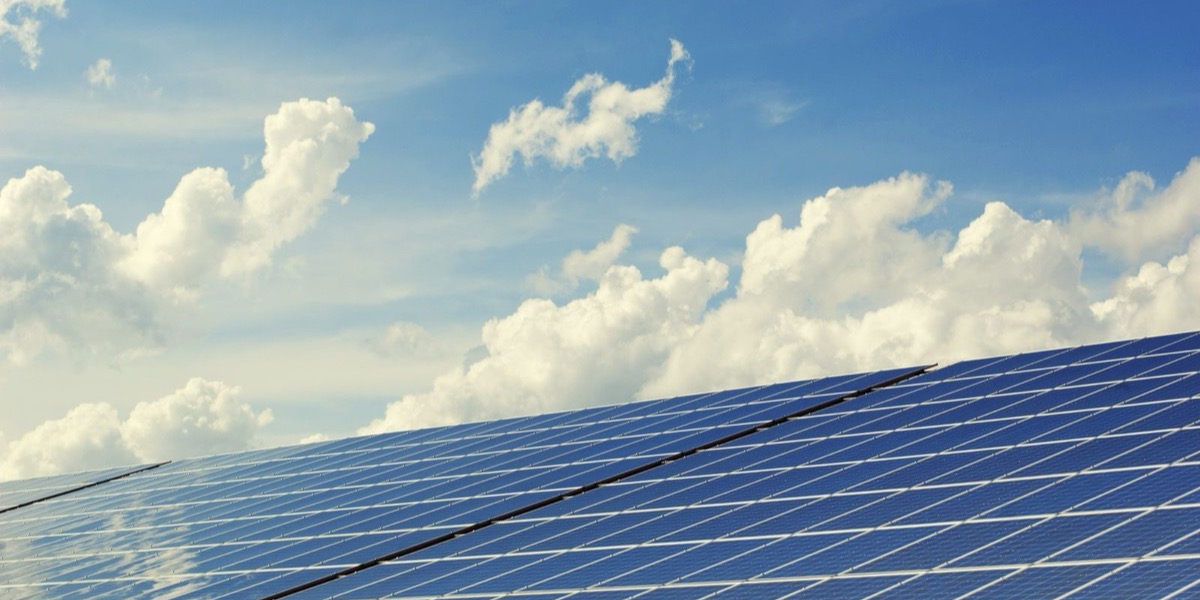
Photo: Pexels (photo 356036)
Quick summary
A green building is designed, built and operated to use less energy, less water and cause less environmental impact than a conventional one. For an SME factory, green-building certification cuts operating costs, opens the door to green finance and meets supply-chain ESG demands. Three systems are common in Vietnam: EDGE (Excellence in Design for Greater Efficiencies) — an innovation of IFC, part of the World Bank Group, which is at once free software, a green building standard and an international certification, requiring at least 20% savings across energy, water and embodied energy in materials versus a local baseline; LEED by the U.S. Green Building Council (USGBC), which needs at least 40 points to be certified; and LOTUS — the first green building rating system developed specifically for the Vietnamese market, run by the Vietnam Green Building Council (VGBC). EDGE has three levels: EDGE Certified (≥20% across all three), EDGE Advanced (EDGE Certified plus ≥40% on-site energy savings) and Zero Carbon (EDGE Advanced plus 100% renewables or offsets). This article does not quote fees or payback periods for any specific project, as those depend on each factory's design and real data.
Last updated: 20 July 2026
Key facts (sourced)
- EDGE: an innovation of IFC (part of the World Bank Group) — free software, a green building standard and an international certification; requires at least 20% savings across energy, water and embodied energy/carbon in materials versus a local baseline.
- EDGE's three levels: EDGE Certified (≥20% across all three) → EDGE Advanced (EDGE Certified plus ≥40% on-site energy savings) → Zero Carbon (EDGE Advanced plus 100% renewables or offsets).
- LEED (USGBC, USA): at least 40 points are required for certification, with levels rising by points.
- LOTUS (VGBC): the first green building rating system developed specifically for Vietnam, voluntary; VGBC was established in 2007, has certified over 1,537,910 m² of floor area (GFA) and has over 70 member organizations.
What is a green building, and why should SME factories care?
Direct answer: a green building is designed, built and operated to use less energy, less water and cause less environmental impact than a conventional one — and for an SME factory, a green-building certification cuts operating costs, opens the door to green finance and meets customers' ESG demands. This is no longer "a prize for big corporations": today's systems are light enough for a medium-sized plant or an operating warehouse to follow.
The key for SMEs is choosing the right "yardstick". The three systems common in Vietnam — EDGE, LEED and LOTUS — measure the same spirit (resource efficiency) but differ in origin, complexity and cost. EDGE is an innovation of IFC — part of the World Bank Group — and is itself free software, a green building standard and an international certification (EDGE Buildings — homepage). Per IFC, an EDGE building reduces utility costs, improves marketability, enables access to green finance and supports ESG goals — exactly what an SME needs when borrowing or selling into a demanding supply chain.
For a factory, most "green points" come from things SMEs control: insulating the roof and walls to cut air-conditioning load, natural lighting and ventilation, high-efficiency equipment, water reuse and rooftop solar. Certification simply "stamps" those efforts independently — so banks and customers can trust the numbers rather than your word.
How EDGE, LEED and LOTUS differ
Short answer: EDGE is IFC's "light" international standard using a 20% savings threshold as the entry bar; LEED is the U.S. points-based standard (at least 40 points to be certified); and LOTUS is the domestic standard VGBC developed specifically for Vietnamese conditions. The three are not mutually exclusive — pick by your goal and by who will read your certificate.
| Criterion | EDGE | LEED | LOTUS |
|---|---|---|---|
| Developer | IFC (part of the World Bank Group) | USGBC — U.S. Green Building Council | VGBC — Vietnam Green Building Council (a non-profit project of Green Cities Fund, California, USA) |
| Scope | International | International | Developed specifically for the Vietnamese market — the first domestic green-building rating system |
| Certification threshold | At least 20% savings across energy, water and embodied energy/carbon in materials versus a local baseline | At least 40 points to be certified; levels rise by points | Assessed against the voluntary LOTUS criteria, with versions for new construction, buildings in operation, homes, small scale, etc. |
| Tooling | Free EDGE software to model savings before applying | LEED scorecard and credit library | VGBC criteria + registration/assessment process |
Source: EDGE is an IFC innovation, free software + standard + certification, 20% threshold per EDGE Buildings (homepage); LEED needs at least 40 points to be certified per USGBC — Levels of LEED certification; LOTUS is a system developed specifically for Vietnam, run by VGBC (a non-profit project of Green Cities Fund) per VGBC — About LOTUS.
Don't pick the "most impressive" standard — pick the one the party buying your certificate recognises. Development banks and international funds know EDGE/IFC; multinational customers often ask for LEED; projects wanting domestic recognition suited to Vietnam's climate turn naturally to LOTUS.
EDGE's three levels — where should an SME start?
Direct answer: EDGE has three ascending levels — EDGE Certified (at least 20% savings across all three), EDGE Advanced (already EDGE Certified plus 40% or more on-site energy savings), and Zero Carbon (already EDGE Advanced plus 100% of energy from renewables or offsets) — and SMEs should aim for EDGE Certified first. Because EDGE uses a clear percentage rather than complex point-adding, a factory can model it on free software before committing.
| Level | Minimum requirement |
|---|---|
| Level 1 — EDGE Certified | At least 20% savings across all three: energy, water and embodied energy in materials, versus a local baseline |
| Level 2 — EDGE Advanced (Zero Carbon Ready) | EDGE Certified and ≥40% on-site energy savings |
| Level 3 — EDGE Zero Carbon | EDGE Advanced and 100% renewables (on-site or off-site) or purchased carbon offsets to top off at 100%; all energy is accounted for |
Source: the three levels and the 20% / 40% / 100% thresholds per EDGE Buildings — Certify (Levels). Note: these are minimums per level; the actual savings and cost for a specific factory must be run on EDGE software with real design data.
For most SMEs, the pragmatic target is EDGE Certified: 20% savings across all three is reachable with mainstream measures (insulation, LED lighting, high-efficiency equipment, water-saving fixtures). Advanced and Zero Carbon are the next rungs once you have rooftop solar and want to reach net-zero emissions.
LOTUS — a green standard "tailored" for Vietnam
Direct answer: LOTUS is the first green building rating system developed specifically for Vietnam's construction market, voluntary, run by the Vietnam Green Building Council (VGBC) — a non-profit project of Green Cities Fund (California, USA). Because it is tailored to the hot-humid climate, local materials and building codes, LOTUS is often easier for Vietnamese owners to apply than importing a foreign standard wholesale.
| Metric | Value |
|---|---|
| VGBC established | 2007 |
| Certified floor area (GFA) | over 1,537,910 m² |
| Member organizations | over 70 |
| LOTUS's position | The only dedicated national green-building rating system — developed specifically for Vietnam |
Source: VGBC established 2007, over 1,537,910 m² of certified floor area and over 70 member organizations per VGBC — homepage (metric counters); LOTUS is developed specifically for the Vietnamese market per VGBC — About LOTUS. LOTUS has multiple versions (new construction, buildings in operation, homes, small scale, interiors…), so an SME factory can pick criteria that fit its size.
Which standard should an SME pick — a pragmatic call
Direct answer: pick EDGE if the goal is cost savings plus access to green finance on a lean budget; pick LEED if an international customer/partner requires it by name; pick LOTUS if you want a domestic standard suited to Vietnam's climate and codes. Many SME factories start with EDGE Certified because the free software lets you "try before you commit".
Three questions to decide fast:
- Who will read your certificate? Development banks/international funds know EDGE (IFC); multinationals often know LEED; domestic partners and authorities know LOTUS.
- Budget and complexity? EDGE has free software and a clear 20% threshold — light to start; LEED uses a detailed point system, usually needing more consulting; LOTUS uses VGBC criteria with a small-scale version for lean projects.
- Climate ambition? If you already have rooftop solar and are heading for net-zero, the EDGE Certified → Advanced → Zero Carbon path gives you a clear ladder.
Whichever you choose, the rule is the same: don't chase certification as a medal for the wall. The real value is in the electricity, water and materials savings it forces you to measure and improve — savings that flow straight into monthly operating costs.
What SMEs should do now — and how GROW helps
A pragmatic, ordered checklist:
- Measure the baseline: track the factory's electricity and water use and its main material types to know your starting point.
- Trial EDGE: use the free EDGE software to model measures (insulation, LED, high-efficiency equipment, water reuse, rooftop solar) and see whether you hit 20% across all three groups.
- Choose the system by the buyer: match your bank's/customer's requirements to pick EDGE, LEED or LOTUS — avoid using the wrong standard and having to redo it.
- Prioritise quick-payback measures: do the "low-hanging fruit" first (lighting, insulation, operations management) before big capital spend.
- Tie it to ESG: put the savings into your sustainability report to support green lending and supply-chain requirements.
Through the Green Transition Advisory pillar, GROW helps SMEs measure the factory baseline, pick the right certification system and map a savings roadmap along circular-economy lines. Learn what ESG for SMEs is, how to say "green building" without greenwashing, or book a free green-building consultation.
A green-building certificate is not a medal for the wall — it is a measurable commitment that your factory uses less electricity, less water and fewer materials, and it is that saving that pays the SME back every month.
Frequently asked questions
What is a green building, and can an SME factory achieve one?
A green building is designed, built and operated to use less energy, less water and cause less environmental impact than a conventional one. SME factories can absolutely achieve it: most 'green points' come from roof/wall insulation, natural lighting and ventilation, high-efficiency equipment, water reuse and rooftop solar — all things SMEs control. Systems such as EDGE also have versions/tools light enough for medium and small buildings.
How do EDGE, LEED and LOTUS differ?
EDGE is an innovation of IFC (part of the World Bank Group) — free software, a green building standard and an international certification, requiring at least 20% savings across energy, water and embodied energy/carbon in materials. LEED by the U.S. Green Building Council (USGBC) needs at least 40 points to be certified, with levels rising by points. LOTUS is the first green building rating system developed specifically for Vietnam, run by the Vietnam Green Building Council (VGBC), and is voluntary.
How many certification levels does EDGE have?
EDGE has three ascending levels: EDGE Certified (at least 20% savings across all three groups — energy, water and embodied energy in materials); EDGE Advanced or Zero Carbon Ready (already EDGE Certified plus 40% or more on-site energy savings); and EDGE Zero Carbon (already EDGE Advanced plus 100% of energy from renewables on-site/off-site or purchased carbon offsets).
Who develops LOTUS, and how many buildings has it certified?
LOTUS is developed by the Vietnam Green Building Council (VGBC) — a non-profit project of Green Cities Fund (California, USA) — specifically for the Vietnamese market. Per VGBC (established in 2007), the system has certified over 1,537,910 m² of floor area and has over 70 member organizations.
Should an SME pick EDGE, LEED or LOTUS?
It depends on the goal and on who will read the certificate. Pick EDGE for cost savings and access to green finance on a lean budget (free software, clear 20% threshold); pick LEED if an international customer/partner requires it by name; pick LOTUS for a domestic standard suited to Vietnam's climate and codes. Many SME factories start with EDGE Certified because they can model it free before committing.
References
- EDGE Buildings — trang chủ (EDGE là sáng kiến của IFC; phần mềm miễn phí + chuẩn + chứng nhận; ngưỡng 20% năng lượng/nước/vật liệu), truy cập 20/07/2026
- EDGE Buildings — Certify (ba mức: EDGE Certified ≥20%, EDGE Advanced ≥40% năng lượng tại chỗ, Zero Carbon 100%), truy cập 20/07/2026
- USGBC — What are the different levels of LEED certification (tối thiểu 40 điểm để đạt chứng nhận), truy cập 20/07/2026
- VGBC — Tổng quan về LOTUS (hệ tiêu chí đầu tiên phát triển riêng cho Việt Nam; VGBC là dự án phi lợi nhuận của Green Cities Fund), truy cập 20/07/2026
- VGBC — trang chủ (thành lập 2007; hơn 1.537.910 m² GFA đã chứng nhận; hơn 70 tổ chức hội viên), truy cập 20/07/2026